Read across seventy published accounts in HNI's own story archive and the same ordinary habits keep turning up. Presented here as routines, never as outcomes.

Personal stories are the most persuasive writing there is, and they are also the easiest to read too quickly. The material behind this article is HNI's official story archive, where partners describe how they started and what their daily work looks like. The archive holds seventy accounts, and this site presents them in English in the success stories focus. Every one of them is a personal account, written by the person living it, and that is both their value and their limit. They tell you what a routine looked like from the inside, and they cannot tell you what will happen to anyone else.
What follows is a reading of those accounts, grouped by theme. No account has been extended, and no health outcome is claimed on anyone's behalf. A count like seventy is worth treating with care as well. It describes how many accounts sit in the archive, and it says nothing about how many people stay with the work or what any of them felt in their bodies. So read the archive the way you would read a shelf of letters. Each one is true for its writer, and none of them is a forecast for you.
Source: HNI official story archive, hni.net.
Read them that way and one pattern stands out before any other, since across the accounts the order is remarkably consistent. A personal or family need comes first, and the business comes after. Products are seldom introduced as a business idea, and more often show up as something already being used at home, which is why the stories read as daily life rather than as a sales script. Hold on to that order if you are considering the business yourself, because the people in the archive did not begin with a target. They began with something they were already using or already looking for.
It also explains a small detail that repeats across the pages. In many accounts the first customer is a relative, and the first sceptic usually is one too. That is not a technique so much as a consequence. A habit that began at a kitchen table tends to be tested there first, among people who will say so if it does not work.
Source: HNI official story archive, hni.net; personal accounts of routines only, not a promised result.
A habit tested at a kitchen table is also a habit people describe plainly, so ask what the work requires and a small vocabulary returns again and again. The words that come back are focusing on one thing, patience with slow progress, and consistency in showing up. That is a useful counterweight to how network businesses are usually described from outside, because the archive's own words are about repetition rather than speed. Read those words as instructions rather than as encouragement. Focus means choosing one thing and staying with it. Patience means accepting that a slow month is normal. Consistency means showing up on days when nothing happens.
None of that is exciting, and the archive does not pretend otherwise. The people writing there describe work rather than a shortcut, and the same words would apply to almost any trade where trust is built slowly. The accounts are worth reading because the writers kept going on the ordinary days, and that is the part no campaign can hand you. Keep the words where you can see them, and they will outlast any slogan.
Source: HNI official story archive, hni.net.
Those ordinary days are usually shared with other people, because family appears throughout the accounts. Spouses, children and parents started as the first customers, the first sceptics, and later as the people running part of the day to day. Family shows up in two roles, and both of them matter. The first is as the people who test a habit at home. The second is as the people who help keep a small shop moving, answering messages and covering an afternoon. For anyone thinking about the business, that is a practical observation rather than a requirement, because in the published accounts the household is where habits are formed first.
If your household looks nothing like that, the archive is still readable. It describes what happened for those writers, and it does not ask you to reproduce it. What it does suggest is worth testing against your own situation. A routine that only survives in public tends to be a performance, and a routine that survives at home is the one that will still be there next year.
Source: HNI official story archive, hni.net.
A routine that survives at home is one thing, and learning it properly is another, since training and coaching has its own chapter in HNI's code of conduct and the accounts mirror it. Partners describe learning from mentors, attending gatherings, and studying the company's own marketing plan and code of conduct. That emphasis gives you a fair test for anyone who invites you in. Ask what you will be taught and who teaches it, because a network that expects learning will have an answer ready, and the answer will point to the company's own material.
It also sets the pace. Training is something you attend over time rather than something you absorb in a single evening, and the accounts suggest that the people who stayed are the ones who kept going back to the room. The habits worth copying from the archive are unglamorous ones. Read the official material, keep a routine, and stay consistent long enough for it to show.
Source: HNI code of conduct (Kode Etik HPAI), hni.net/code-of-conduct, Bab IV (training and coaching); accounts: Source: HNI official story archive, hni.net.
Reading the material by the book is good advice, and it is worth being clear about what the accounts themselves can and cannot do, because personal accounts are good at some things and useless at others. They are good at showing you the shape of a routine. When a person writes down what they did each morning, you can picture it and judge whether it would fit your own day. They are good at showing ordinary obstacles too, since the writers mention doubt, illness and slow months without hiding them.
They cannot tell you what any product will do for you, and they cannot tell you whether your body will respond the way theirs did. They cannot tell you how many people who started alongside them are still working, because an archive of stories is not a record of everything that happened. Those questions sit outside the collection, and no story answers them, however well it is told. Holding that in view is not a way of doubting the writers. It is a way of reading them honestly.
Source: HNI official story archive, hni.net; personal accounts of routines only, not a promised result.
Reading the accounts honestly leaves one question open, which is where a story belongs in your thinking, since a story makes good company but is not the same thing as proof. This archive is at its best when it is read as company rather than as evidence. Read each account as one person's routine, written by that person, and look for the ordinary parts, which are the parts that repeat. When an account mentions a product, take the name to the official page and read what the company itself says about it, since that material is what the code of conduct asks people to follow.
We close with the note the archive itself keeps. These are personal accounts, not medical outcomes and not results promised to any reader. For anything about your own health, speak with a professional rather than with a page, and read the official material rather than this reading of it. The stories are worth your time. They are just not worth more than they are.
Source: HNI code of conduct (Kode Etik HPAI), hni.net/code-of-conduct, Bab IV (training and coaching); accounts: Source: HNI official story archive, hni.net.
More in Wellness
The other articles in this focus area.

Article 01 · 10 min read
The Range, the Principle, and the Boundary
HNI's product range is built around everyday wellbeing, offered under the Thibbunnabawi principle named in the company's objectives. The official catalogue groups it into herbal products, food and beverages, and cosmetics and home care.
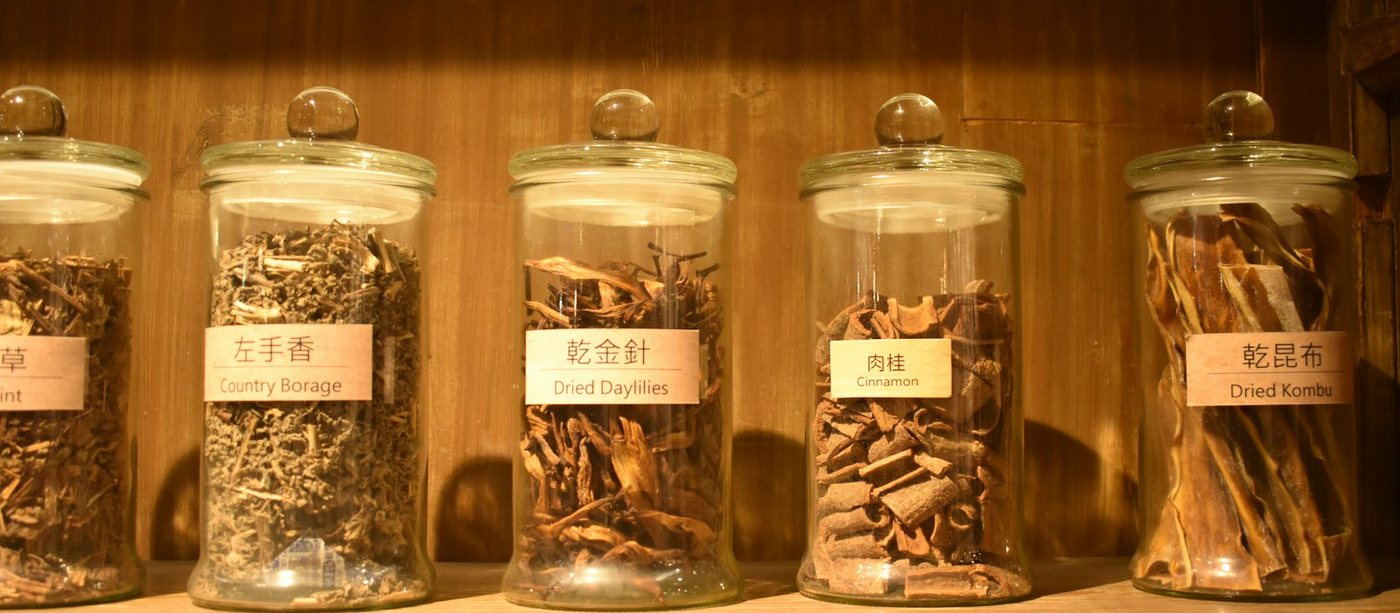
Article 02 · 7 min read
The Range, Category by Category
Three families, and the names just as HNI's own catalogue publishes them. What follows is a map rather than an opinion, and a method you can carry to any product page.

Article 03 · 7 min read
Habits, Thibbunnabawi and the Line Around Health Claims
Where HNI's own rules draw the line between everyday habits and the promises nobody in the network is allowed to make, and how a reader can tell the two apart.

Article 04 · 8 min read
Buying Well: Where HNI Products Come From
Official outlets, two published prices, and why the company treats counterfeits as a problem to be prevented rather than a compliment paid to it.
Sources
The notes on this page are taken from HNI’s official company profile, code of conduct and Success Plan at hni.net. Nothing has been added to them, and no product, health or income claim is made.
More in the blog
The other focus areas.